Sberbank, Russia’s premier financial institution, projects that trading activity on its upcoming digital asset infrastructure will reach 4 trillion rubles ($46.43 billion) in its inaugural year, according to media reports.
Transaction volume is further forecasted to climb to 7.5 trillion rubles ($87.06 billion) by 2029, stated Anatoly Popov, Deputy Chairman of Sberbank’s Executive Board, as reported by Tass on Saturday.
The media outlet noted that these figures represent a “conservative” projection. Back in July, Sberbank disclosed its intention to roll out digital asset custody alongside a Bitcoin and crypto wallet by December. Around the same time in July, the Bank of Russia released preliminary regulatory guidelines for cryptocurrency trading, while the State Duma continues working on comprehensive digital asset rules.
Furthermore, in a Friday dispatch, Tass cited Sberbank Deputy Chairman Anatoly Popov stating that the lender intends to accept Bitcoin—along with alternative cryptocurrencies—as loan collateral.
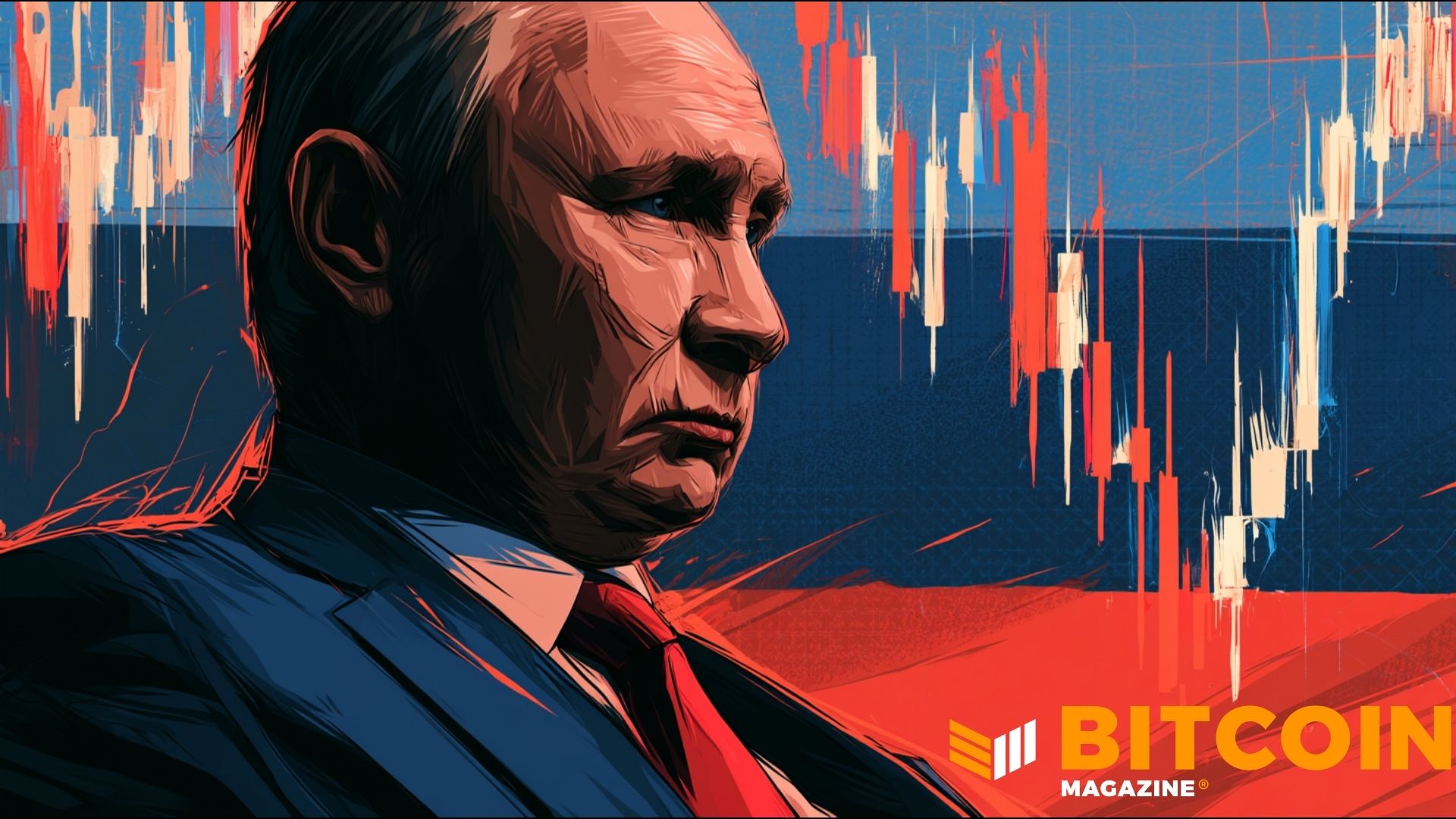
The Russian government is swiftly moving forward with establishing its domestic digital asset regulations. This month, Russian President Vladimir Putin enacted legislation formalizing the legal framework for digital currencies and digital rights nationwide.
Under the new statutory framework, only officially registered organizations are permitted to operate exchanges, and specific restrictions are placed on the amount of cryptocurrency retail participants can trade.
Even with these developments, employing digital assets as legal tender or for making payments remains strictly forbidden throughout Russia. Utilizing cryptocurrency as a medium of exchange has been illegal in the nation since 2022.
President Putin has previously made seemingly positive remarks about Bitcoin, observing in the past that the leading digital asset cannot be halted.
Ever since Western powers excluded Russia from the SWIFT payment network following its 2022 invasion of Ukraine, domestic enterprises have turned to Bitcoin as an alternative method to navigate around sanctions.
However, Russian authorities continue to exercise strict oversight over how domestic citizens interact with digital currencies, cracking down on and prosecuting individuals operating unauthorized cryptocurrency exchange platforms.
The transaction size provides no safeguard—a nuclear engineer residing in Sarov was handed an 18-year prison sentence after transferring roughly $13 from a crypto wallet to entities classified as terrorist groups by the state.
Originally published at https://bitcoinmagazine.com/news/russia-sberbank-expects-big-crypto-trading.