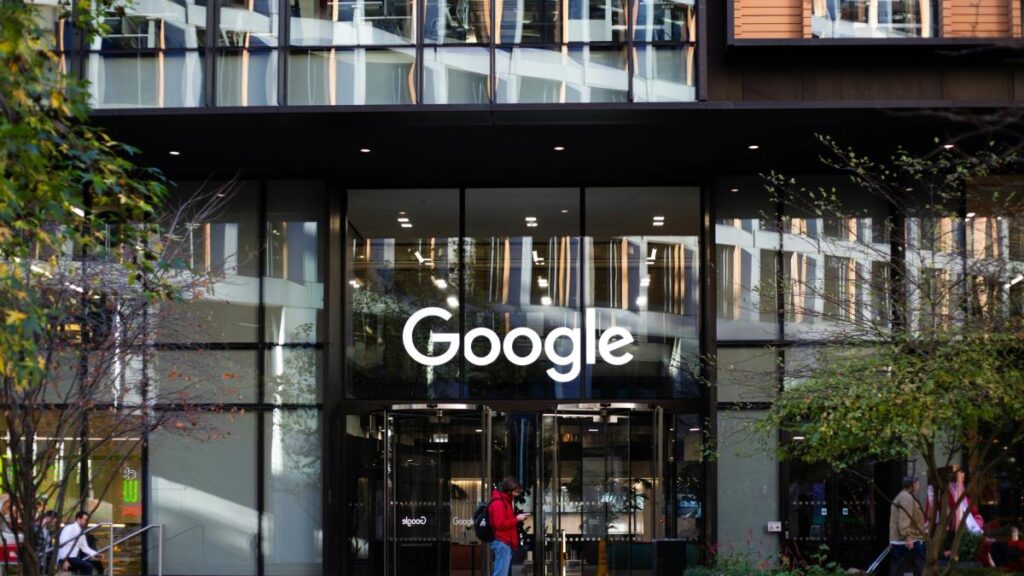
Google is scheduled to debut an innovative security platform built to assist banks and additional financial enterprises in protecting and transferring cryptocurrencies and tokenized assets during its premier digital assets event in New York City on Wednesday.
Officially designated as Google Multi-Party Compute (MPC), the solution remains in a private preview phase and is not yet publicly accessible. Google informed CoinDesk that a handful of design partners and prominent financial institutions are currently evaluating the technology. Furthermore, parent corporation Alphabet has started utilizing the framework to safeguard its own digital holdings across the Solana and Ethereum networks.
Google refrained from disclosing the names of the participating financial entities or detailing which specific digital assets Alphabet is protecting. The organization intends to launch Google Multi-Party Compute commercially by early 2027, though pricing details remain unannounced.
MPC is not a novel concept within the digital asset sector, nor is Google’s participation in the space. The fundamental mechanism involves dividing a private key into individual segments and dispersing them across separate computing environments to eliminate any single point of failure. Back in 2023, Google released documentation detailing how users could establish MPC-driven digital asset frameworks using its Confidential Space architecture.
The firm noted that it has not previously provided a dedicated MPC custody solution tailored for cryptocurrencies. Its active production tools currently comprise Google Cloud Key Management Service (KMS) and Cloud HSM, which organizations deploy to handle and secure cryptographic keys. This new product consolidates MPC-based signing, transaction protocols, and key recovery into a purpose-built digital asset offering, sparing customers from the complexity of integrating those components independently.
This initiative coincides with traditional banks and financial entities investigating blockchain applications for issuing tokenized assets, managing payments, and delivering digital asset safekeeping services. Such operations necessitate that institutions securely validate transactions which, once finalized on a blockchain, are generally irreversible.
“Digital asset adoption and tokenization are at an inflection point. As regulated financial institutions begin adopting blockchains and tokenization, they need scalable, proven infrastructure to secure their clients’ assets,
Originally published at https://www.coindesk.com/tech/2026/10/28/google-to-preview-crypto-custody-security-system-as-ai-threats-grow.