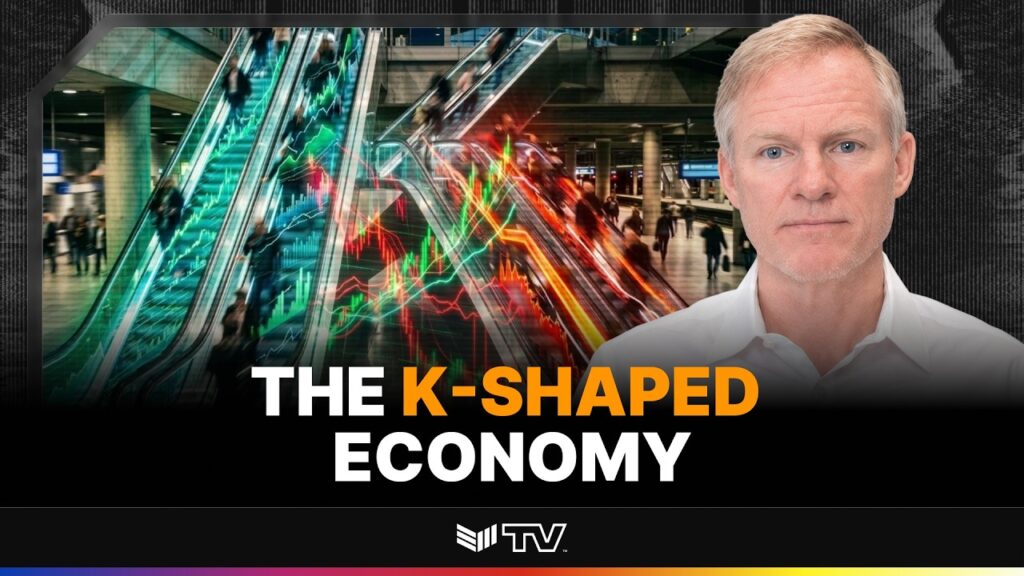
Mike Belshe points out that tokenization is less about exchange and more about inclusion. The chief executive of BitGo details how our present infrastructure traces its origins to the paper crisis of the 1960s, a period when the NYSE had to close its doors one day every week merely to process physical stock certificates, and why the framework designed to resolve that issue continues to favor the biggest institutions. He outlines how the average investor’s exclusion from borrowing against their holdings, instead of liquidating them, fuels the divergence of the K-shaped economy. In this BMTV discussion, he elaborates on how phantom shares and tokenized stocks alter this dynamic.
Chapters:
00:00 — Does Custody Concentration Create a New Centralization Risk
00:35 — Multisig, MPC, and Eliminating Single Points of Failure
01:49 — What the US Regulatory Framework Still Needs Beyond Clarity
02:39 — How Boardrooms Actually Decide Without a Legislative Path
04:17 — Ghost Stocks and Tokenized Equities
04:51 — The 1960s Paper Crisis and the System Built to Fix It
05:31 — The K-Shaped Economy and Who Can Borrow Against Assets
06:54 — Proof of Reserves and Time-Locking Shares to Show Conviction
08:18 — Where AI Agents Fit Into Managing Assets
10:04 — What He Actually Meant About the Dollar Going to Zero
DISCLAIMER: The views and opinions expressed in this show are those of the participants and do not necessarily reflect the official policy or position of BTC Inc., Bitcoin Magazine, or any affiliated entities. This content is provided for informational and educational purposes only and should not be construed as investment, legal, tax, or accounting advice. Nothing contained in this show constitutes a solicitation, recommendation, endorsement, or offer to buy or sell any securities or financial instruments. Viewers should consult their own advisors before making financial or business decisions.
Originally published at https://bitcoinmagazine.com/videos/bitgo-ceo-mike-belshe-why-dollar-debasement-fuels-the-k-shaped-economy.