The Death Bets Act, advancing next to the House, aims to outlaw prediction market wagers associated with war, assassination, terrorism, and death.
The United States Senate has successfully voted on the “Death Bets Act,” designed to prohibit prediction market agreements centered around war, assassination, terrorism, and death.
Known officially as S.4035 and titled the bill “Discouraging Exploitative Assassination, Tragedy, and Harm Betting in Event Trading Systems Act,” this legislation cleared the Senate on Thursday and is now bound for the House of Representatives.
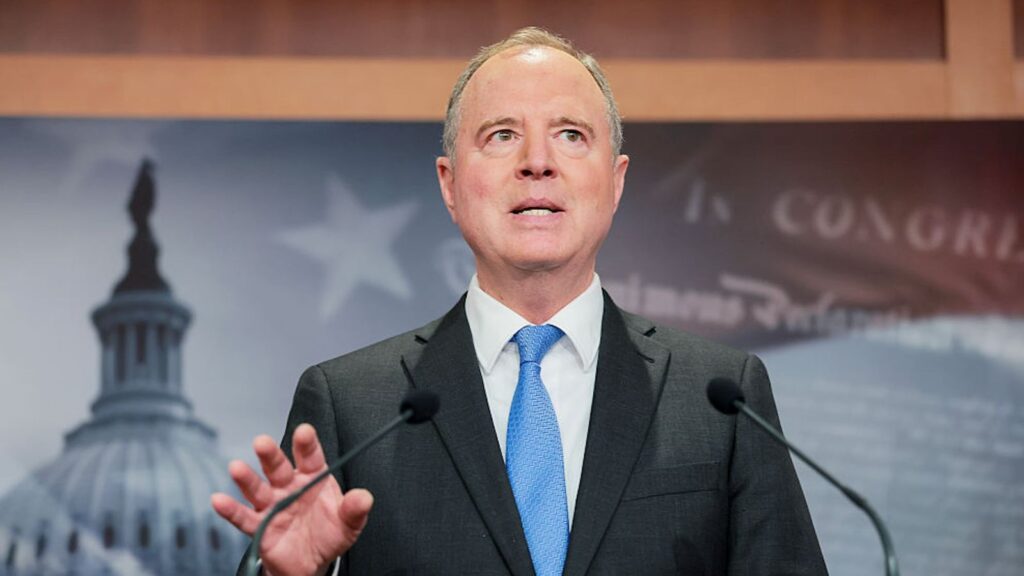
Senator Adam Schiff, a Democrat from California, originally put forward the bill in March 2026 acting as the primary sponsor, alongside Republican Senator John Curtis from Utah who joined as a co-sponsor. The legislation seeks to modify the Commodity Exchange Act, commonly known as the CEA, to ban the listing of contracts linked to death, warfare, and comparable events.
Schiff remarked on Thursday that these contracts foster widespread insider trading opportunities and, perhaps most egregiously, are presented with zero consideration for national security or even fundamental morality.
Furthermore, Schiff noted that prediction markets currently function like the “Wild West” and are in urgent need of proper oversight and protective boundaries.
Growing concerns
Under the CEA framework, the Commodity Futures Trading Commission possesses the power to restrict contracts connected to assassination, terrorism, or war. Even though ultimate authority rests with the agency’s discretion, lawmakers supporting the Death Bets Act contended that such administrative flexibility is no longer adequate.
Prediction market applications have likewise taken measures to eliminate contentious contracts. Earlier this year, Polymarket removed a market that permitted participants to wager on the probability of a nuclear weapon detonation following intense backlash across social media channels.
This legislative push compounds the growing legal pressure that prediction market platforms currently encounter. Over twelve distinct states have initiated legal or enforcement proceedings against Kalshi over accusations of breaching local gambling statutes.
Escalating legal battles
Meanwhile, state authorities and federal regulators remain embroiled in intensifying legal disputes regarding which body holds the authority to govern prediction market sites. The CFTC has insisted that it retains regulatory jurisdiction over prediction markets under the CEA, whereas several states contend that specific event contracts violate local gambling prohibitions.
Michael Selig, Chairman of the CFTC, stated during a Thursday interview at the Capitol Crypto Forum hosted by The Hill and The Block that the commission will collaborate with the Department of Justice to defend its authority amid legal conflicts.
During recent weeks, the Department of Justice and the CFTC have launched legal actions against multiple states, including Utah, Arkansas, and Louisiana, with the goal of halting state enforcement against prediction market services.
Selig emphasized that if a derivative is legitimate and lawful, it should fall under the purview of the market regulator rather than individual states.
Originally published at https://www.theblock.co/news/regulation/2026-11-20-senate-death-bets-act-444200.