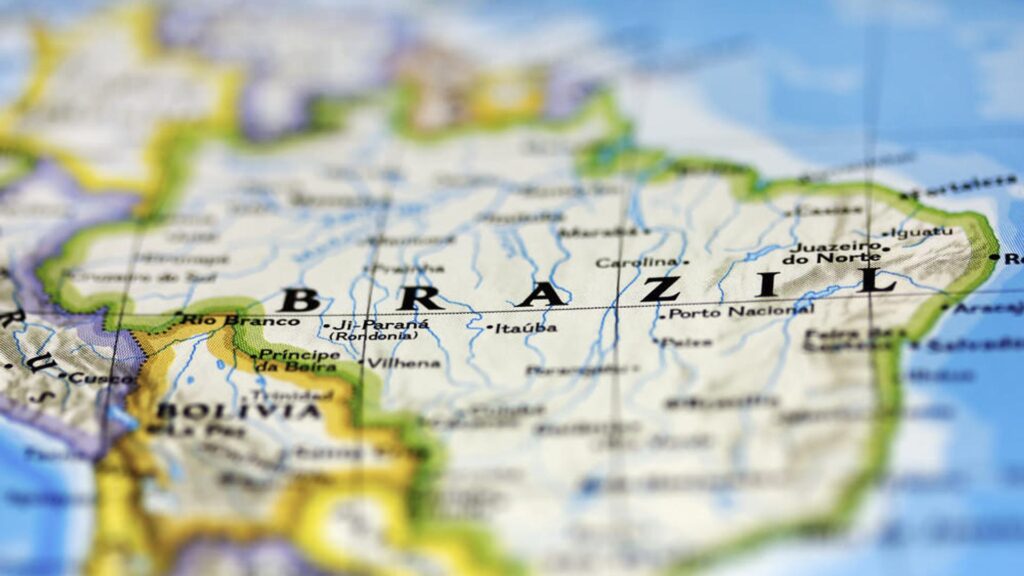
Petrobras, the state-run Brazilian energy corporation, is evaluating the Cardano blockchain to verify environmental assertions regarding low-carbon fuels through two distinct investigative initiatives revealed on Wednesday via details provided to CoinDesk by the Cardano Foundation.
The first initiative focuses on sustainable aviation fuel, an eco-friendlier substitute for traditional jet fuel that functions seamlessly within existing aircraft and airfield infrastructure. The second initiative centers on Diesel R, a proprietary Petrobras fuel composed partially of biological sources like animal fats or vegetable oils.
Frederik Gregaard, chief executive of the Cardano Foundation, told CoinDesk that Brazil has stood out as a remarkably consistent adopter of Cardano, citing government entities like SERPRO and industrial organizations like SENAI. He expressed enthusiasm that Petrobras, rankable among the region’s largest enterprises, continues recognizing the value inherent to on-chain provenance and tracking.
Gregaard further noted that corporate enthusiasm surrounding Cardano continues building momentum, particularly following the integration of x402 and Fireblocks adding native token support for Cardano, emphasizing that enterprise consideration of this technology has never been more opportune.
The aviation initiative addresses a logistical hurdle inherent to green fuel distribution. Through a methodology termed book-and-claim, commercial airlines can purchase environmental credits linked to sustainable fuel even if the physical fuel product is deployed elsewhere.
This framework requires an immutable ledger tracking benefit ownership alongside claim timestamps to ensure multiple corporate entities avoid claiming identical emissions reductions twice.
The tracking mechanism employs Cardano to document the origin point of each ecological benefit, identify the recipient, and log the exact claim timestamp, thereby eliminating duplicate accounting errors.
Practically speaking, travelers can input their arrival and departure terminals, compute the corresponding fuel sustainability bonus, and obtain a certification tying their personal allocation directly back to the primary fuel document.
Conversely, the diesel tracking mechanism logs data points across every phase of manufacturing, distribution, and utilization, compiling these records into an exhaustive historical account of the fuel’s lifecycle.
This capability assists companies in documenting Scope 3 emissions—representing indirect supply chain and customer emissions—where necessary data typically resides across distinct corporate silos.
Both endeavors remain strictly in an investigative phase. The diesel model is currently classified as a proposal, and the formal disclosure omitted any mention of targeted fuel volumes or schedules for widespread commercial rollout.
Additionally, Cardano incorporated x402 earlier this month, providing a payment standard enabling applications and artificial intelligence agents to remit payments for computational services or data usage dynamically on demand. Its preliminary payment processing software underwent trials on the Cardano pre-production network, while widespread commercial deployment on the active blockchain remains forthcoming.
Originally published at https://www.coindesk.com/tech/2026/09/30/embargo-1-pm-utc-cardano-tapped-by-brazil-s-state-oil-giant-to-track-cleaner-jet-fuel-and-diesel.