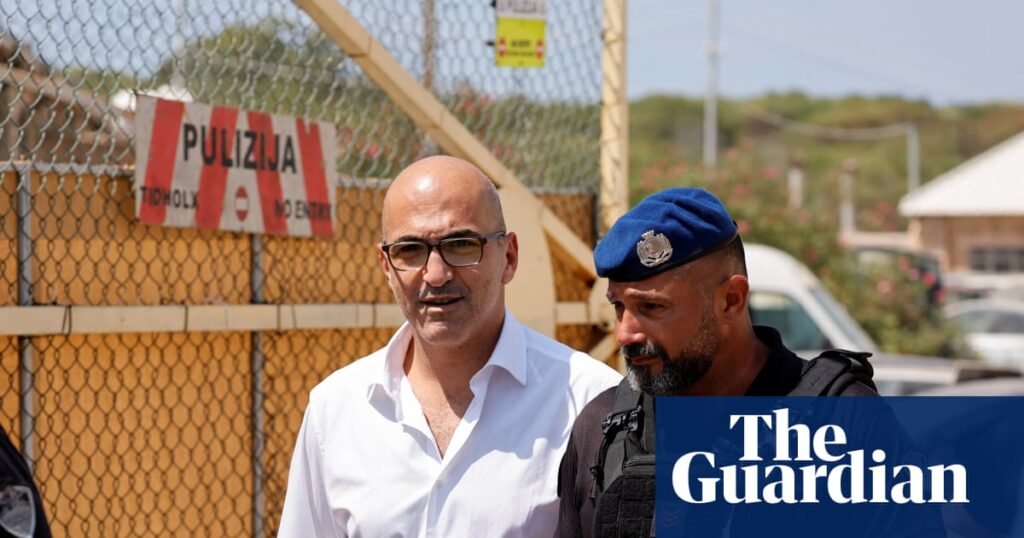
A prominent Maltese tycoon has been cleared of involvement in the assassination of investigative journalist Daphne Caruana Galizia.
The decision, which the prosecution is expected to appeal, represents a major setback for the victim’s family, as well as for lawmakers and advocates who saw the case as a critical test for protecting press freedom across Europe.
Almost nine years following Caruana Galizia’s death at age 53 in an October 2017 car bomb attack, a jury composed of six women and three men found 44-year-old Yorgen Fenech not guilty on both counts: complicity in the willful homicide of Caruana Galizia, and criminal association with intent to commit an offense.
The ruling was decisive. In front of observing relatives and media members, the jury forewoman announced the verdict amid gasps and cheers, stating that jurors voted 8-1 to dismiss both counts.
Fenech, a major business figure and real estate developer whose family operates two Hilton hotels and holds an equity interest in an energy plant in Malta, stood accused by prosecutors of paying €150,000 through an intermediary, Melvin Theuma, to orchestrate the journalist’s assassination. State attorneys had requested a life sentence.
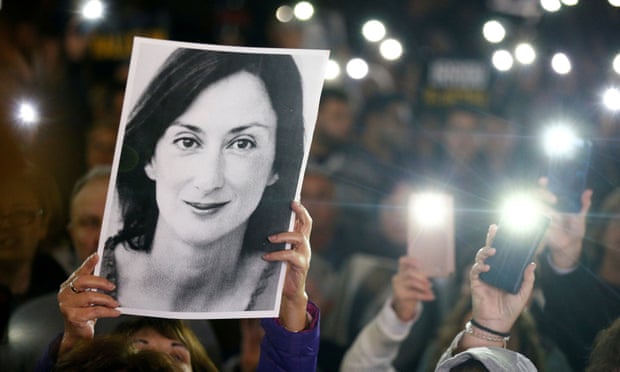
The killing of Caruana Galizia, who had investigated Fenech alongside prominent political figures, ignited the most far-reaching political crisis in Malta’s modern history, turning into a rallying symbol for anti-corruption and press freedom advocacy.
The ensuing fallout led Joseph Muscat, then prime minister of the European Union’s smallest member state, to step down from office, along with two cabinet ministers and his chief of staff.
The eight-week trial exposed the reach of Fenech’s high-level political network and raised scrutiny regarding attempts to compromise and interfere with the police probe. Crucial witnesses, as well as the accused himself, stated that the prime minister’s chief of staff repeatedly leaked sensitive investigation details to Fenech.
In his closing remarks, prosecutor Anthony Vella stated that Fenech believed he could “buy justice”, telling jurors: “You are being asked to decide whether a man who had extensive contacts in politics and among the heads of public entities had enough power to pay for Daphne to be killed.”
The defense maintained that the true chain of command reached higher, with Fenech and his legal team suggesting the murder was ordered by Keith Schembri, Muscat’s former chief of staff. They argued that law enforcement had not sufficiently probed allegations concerning Schembri’s role.
“All roads lead to Keith, and all bridges to Keith were burned,” defense attorney Charles Mercieca argued in his closing statement.
During his testimony, Fenech told the court: “I never ordered Daphne Caruana Galizia’s murder, or anyone else’s. I had no role in her murder”. He testified that he functioned merely as a go-between for Schembri and Theuma, claiming the taxi driver had extorted him.
Schembri, who appeared as a witness during the trial, denied any wrongdoing, testifying that he had no involvement in leaks and possessed no prior knowledge of the assassination.
Originally published at https://www.theguardian.com/world/2026/sep/02/maltese-tycoon-yorgen-fenech-daphne-caruana-galizia-killing-not-guilty.