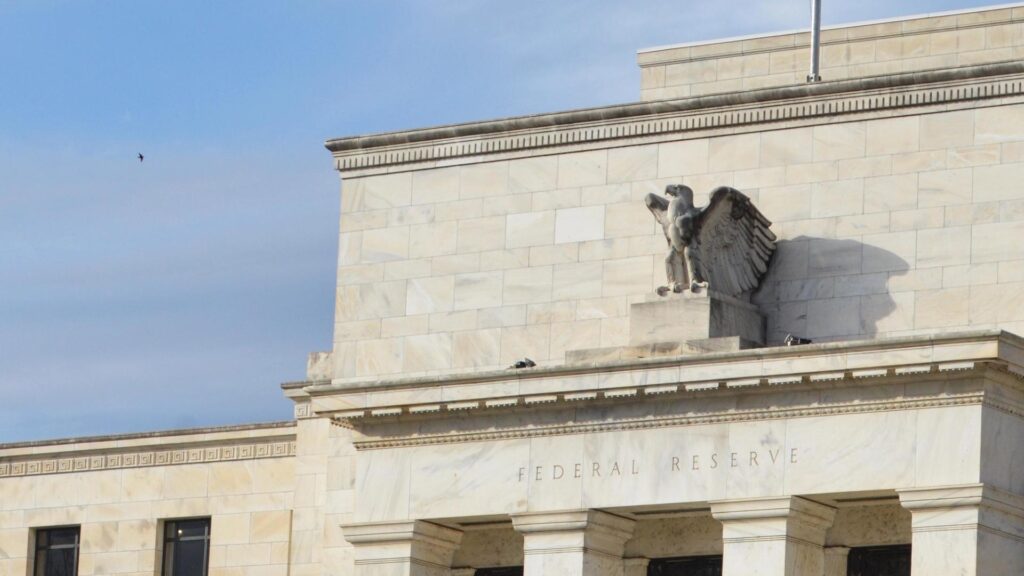
The U.S. Federal Reserve put forward two rules on Thursday to fulfill its share of the collaborative regulatory mandate required for stablecoin issuer oversight under the Guiding and Establishing National Innovation for U.S. Stablecoins (GENIUS) Act.
These drafts, which are presently open to a 60-day public comment window, will establish the financial safety guidelines backing the issued digital tokens and outline the mechanisms for Fed-supervised banking institutions to release stablecoins. Last year’s GENIUS Act mandated that U.S. financial regulators and the Treasury Department enact rules by July 2026, putting all agencies past the initial legal deadline despite substantial recent advancements.
The central bank’s regulatory strategy also mirrors the Office of the Comptroller of the Currency’s own proposal, which addressed the legislative prohibition against issuers distributing interest or yield for maintaining stablecoins.
"Under the proposal, certain types of arrangements involving third parties would be presumed to be prohibited payments of interest or yield," the Fed wrote, pointing out that its stance aligns with the OCC. Although the regulations remain pending, the regulatory bodies appear to permit a very narrow framework enabling cryptocurrency platforms to supply stablecoin bonuses comparable to credit card reward programs.
The question of how extensively firms like Coinbase could compensate stablecoin holders served as a primary contention during debates surrounding the unsuccessful Digital Asset Market Clarity Act. Currently, the GENIUS Act stands as the definitive statute governing stablecoin incentives, given that efforts to modify it through the Clarity Act fell through.
Proposed regulations such as those presented by the Fed on Thursday must gather public feedback before the federal agency can modify and release them in their final versions—a procedure typically taking several months or longer.
The central bank’s first proposal from Thursday governs the capital and reserve stipulations designed to guarantee that stablecoins maintain full backing in highly liquid assets, giving issuers a resilient foundation during periods of financial stress. It furthermore defines permissible stablecoin operations across supervised banks and houses the provision addressing stablecoin rewards.
The second proposal establishes the framework through which a regulated banking entity can begin launching proprietary stablecoins, which includes submitting a "business plan; financial information; relevant policies, procedures, and other documents."
"Stablecoins will only be stable if they can be reliably and promptly redeemed at par in a range of conditions," expressed Fed Governor Michael Barr, who previously headed the Fed’s supervision division prior to President Donald Trump’s administration, in a statement. "This includes during market stress, when pressure can be put on the value of even otherwise liquid government debt, and during episodes of strain on the individual issuer or its related entities."
Last month, the Treasury Department proposed its specific segment of the GENIUS Act rollout, defining federal standards regarding the issuance of U.S. stablecoins and specifying entities obligated to follow the statute’s directives. The Federal Deposit Insurance Corp. initiated this procedure back in December as the pioneer among numerous federal bodies tasked with translating its portion of the law into binding regulations. In June, multiple agencies proposed mandating stablecoin issuers to adopt user identification protocols identical to those utilized by traditional regulated financial institutions.
Originally published at https://www.coindesk.com/policy/2026/09/24/u-s-federal-reserve-moves-on-proposals-to-implement-genius-act-for-stablecoins.