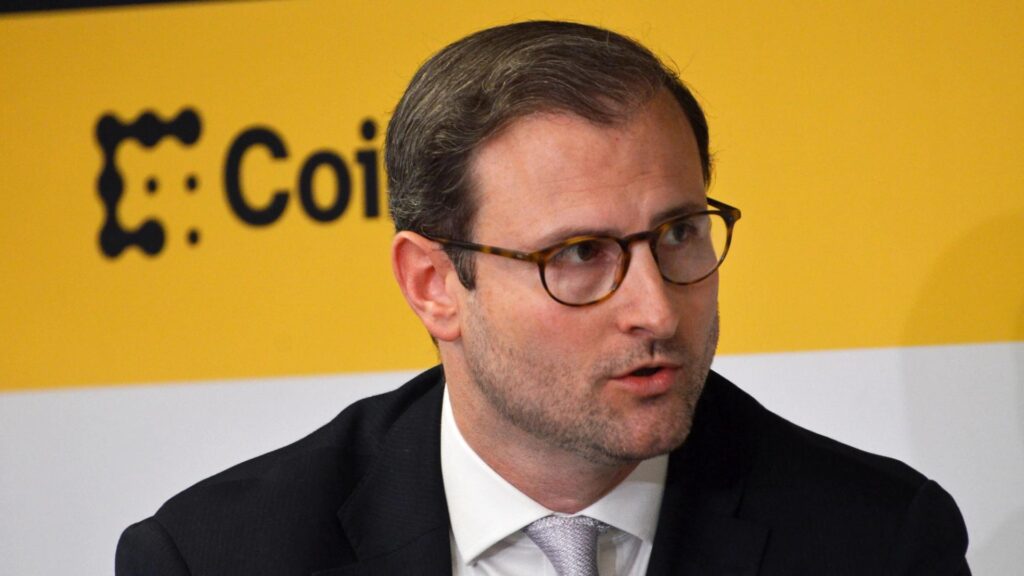
Patrick Witt, the crypto advisor for the White House, pushed back on Wednesday against claims that President Donald Trump’s personal cryptocurrency connections caused the failure of the Digital Asset Market Clarity Act last week, taking an aggressive stance during Washington public appearances this week, including a session where he maintained that the president’s willingness to cooperate was unprecedented.
"Democrats made it a political issue," Witt remarked at Georgetown University’s Financial Markets Quality conference, pointing out that Democratic senators were being hypocritical given that a major housing bill recently passed without facing comparable government ethics scrutiny, despite Trump’s background as a real-estate developer. "Why was that bill okay to pass without a stringent, draconian ethics division?"
Discussions surrounding the Clarity Act consistently stalled over the ethics debate—which was separate from its foundational market structure rules—aimed at resolving potential cryptocurrency conflicts of interest among high-ranking government officials. The president served as the primary target for this initiative, and during multiple instances throughout recent legislative negotiations, he accepted concessions that would have imposed specific crypto restrictions upon him.
"The president agreed to not one but two different ethics provisions that were unprecedented in nature," Witt stated. Aside from a prospective readiness to accept mandates that would have compelled Trump to liquidate his cryptocurrency holdings or place them into a blind trust, the administration was likewise prepared to allow state attorneys general to take legal action against the federal government if it failed to monitor ethical violations, he explained.
"That is without a doubt the most unprecedented, far-reaching, stringent, restrictive ethics provision that has ever been agreed to by any president," Witt expressed.
He noted that critics accusing Trump of a conflict of interest for steering digital asset policies while overseeing a crypto venture is "somewhat ironic, given that we’re dealing with a lot of senators on banking committees who hold stocks and actively trade stocks in financial services companies that they regulate."
Witt’s main objective was steering the Clarity Act into law—an outcome that suffered a severe setback last week after the U.S. Senate declined to advance the legislation. During a CoinDesk Policy & Regulation event on Tuesday, he intimated that the upcoming lame-duck session of Congress at the conclusion of the year is not a primary focus, noting that attention is now pivoting toward federal regulatory bodies like the Securities and Exchange Commission.
Across both gatherings, he also blamed banking lobbyists for helping defeat the bill due to competitive anxieties that stablecoin rewards would rival interest-bearing bank deposits.
"It was a wildfire that was started by larger banks that ultimately spread to community banks, and they sold them a line," Witt said regarding the additional protections against the growth of stablecoins that bankers insisted must be included in the Clarity Act. "So if that really is an existential threat to the community banking system, then I would expect them to be back on Capitol Hill demanding passage."
Instead, he noted they are "beating their chests" over having killed the legislation, which "tells you I think everything you need to know about the sincerity of the argument."
Originally published at https://www.coindesk.com/policy/2026/09/23/white-house-adviser-defends-president-trump-s-crypto-ties-in-wake-of-clarity-act-defeat.