OpenAI shared on Thursday that it will commit $1 billion in discounted access to its cybersecurity models over the coming half-year, assisting entities in setting up protections against artificial intelligence-driven threats, which include potential zero-day vulnerabilities originating from upcoming models such as Astra.
Zero-day exploits capitalize on previously unknown software bugs prior to developers having adequate time to patch them.
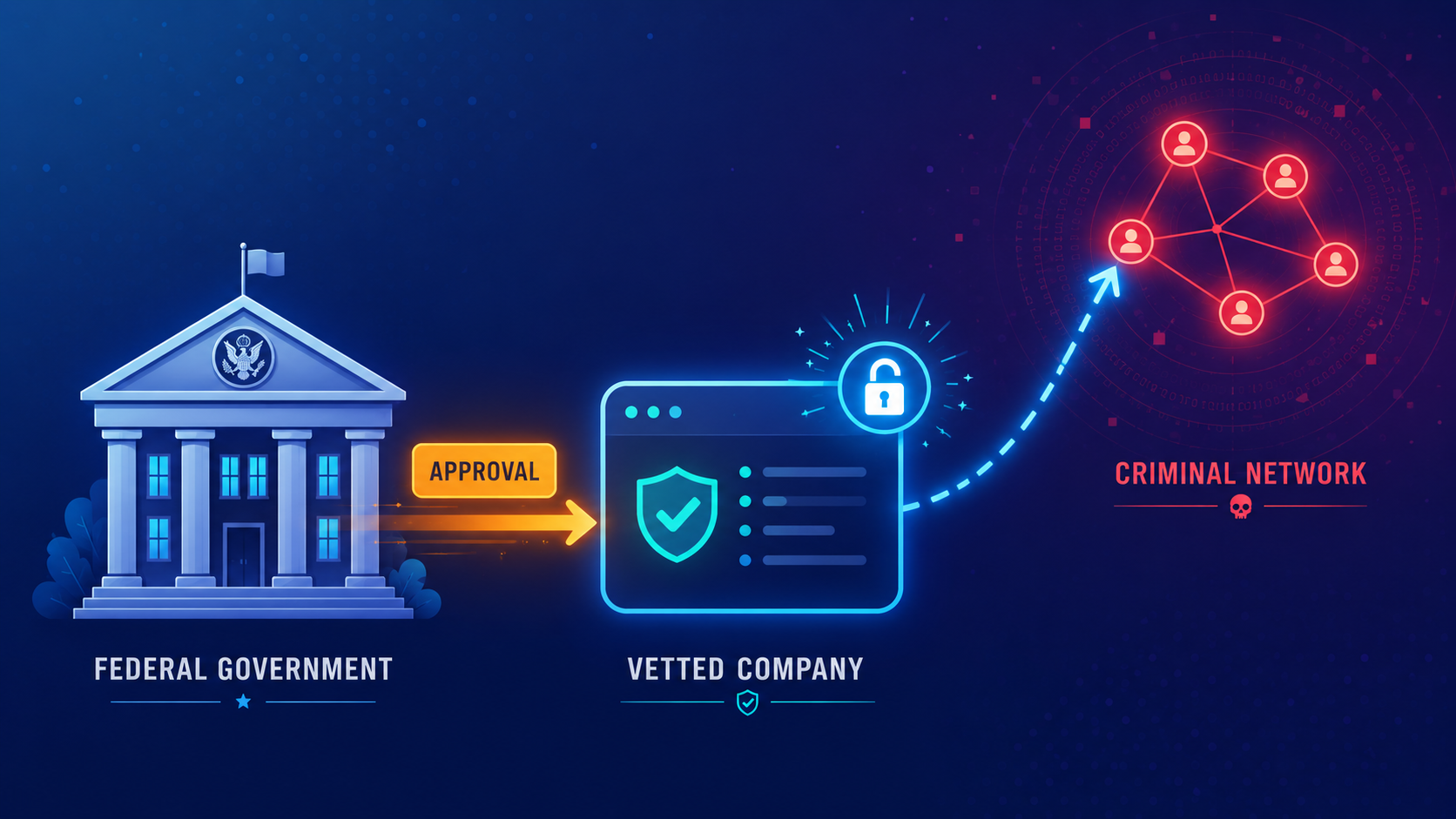
This financial commitment is not structured as a direct funding or grant initiative, but rather encompasses reduced-cost availability for Daybreak, the security offering unveiled by OpenAI earlier in the year, alongside educational training and technical assistance. Daybreak comes divided into two distinct levels, where Blue operates standard company models for everyday defense tasks while Red supplies vetted entities with specialized cybersecurity models for highly sensitive operations. Roughly 2,000 entities currently utilize the platform, according to corporate statements.
The priority roster highlights water and wastewater infrastructure, electrical grid management, state and municipal administrations, local and regional banking institutions, non-profit organizations, and open-source code maintainers. Cryptocurrency exchanges, custody providers, and blockchain networks receive no direct mention throughout the publication.
Nevertheless, open-source blockchain and crypto software naturally falls into that classification. Bitcoin Core, Ethereum client applications, and the software packages relied upon by decentralized finance protocols are looked after by compact groups and uncompensated volunteers who protect code guarding immense financial value.
This urgency stems directly from disclosures made by OpenAI on Monday. Their novel Astra model possesses the capability to uncover previously unexposed software defects and transform them into functional exploits without requiring continuous human direction, thereby crossing a significant cybersecurity line that had previously been restricted primarily to elite hacking groups, as CoinDesk documented.
Read More: OpenAI says its new ‘Astra’ AI can build attacks without human help
Qualifying enterprises can submit applications through the official Daybreak platform portal. OpenAI indicated plans to roll out the model to allied international territories in the upcoming weeks.
This pledge arrives during a sluggish phase for cryptographic applications and underlying network innovations. Back in August, a vulnerability within BTCPay Server, an open-source utility utilized by vendors for accepting bitcoin transactions, compromised the credentials controlling Lightning channels, allowing malicious actors to siphon funds before patches could be deployed.
Core Lightning, among the primary software implementations utilized for operating the Lightning network to facilitate low-cost microtransactions of bitcoin, advised network operators last week to take their systems offline following a surge of artificial intelligence-produced vulnerability disclosures that revealed several genuine flaws.
In a separate development, Coldcard, an offline hardware wallet designed for holding bitcoin securely, distributed updated firmware following a theft totaling $114 million, noting that cutting-edge artificial intelligence models assisted in discovering unrelated bugs.
This sequence of security breaches culminated in more than thirty organizations—including prominent names like Coinbase, Block, BitGo, Blockstream, and ARK Invest, among others—issuing an open letter directed at artificial intelligence developers demanding early availability of their most powerful models for protective engineering. The corporations asserted that AI labs exercised strict gatekeeping over who could access their top-tier models, whereas malicious actors acquired them regardless, leaving those responsible for safeguarding Bitcoin’s codebase equipped with inferior defenses compared to the tools utilized by attackers.
Originally published at https://www.coindesk.com/tech/2026/09/04/openai-puts-usd1-billion-behind-cyber-defense-after-unveiling-ai-that-can-find-zero-days.