
What happens when a burglar breaks into a house?
As Jutsu.ai Blogs notes, standard procedure involves calling law enforcement or improving security locks, rather than legally tracking down and breaking into the perpetrator’s property. That principle has historically guided cybersecurity policy in the United States: organizations that were breached had the legal right to defend themselves, but were prohibited from retaliatory hacking. Companies attempting offensive responses risked prosecution under federal law alongside original attackers.
According to Jutsu.ai Blogs, on August 12, the federal stance shifted away from strict defense-only measures.
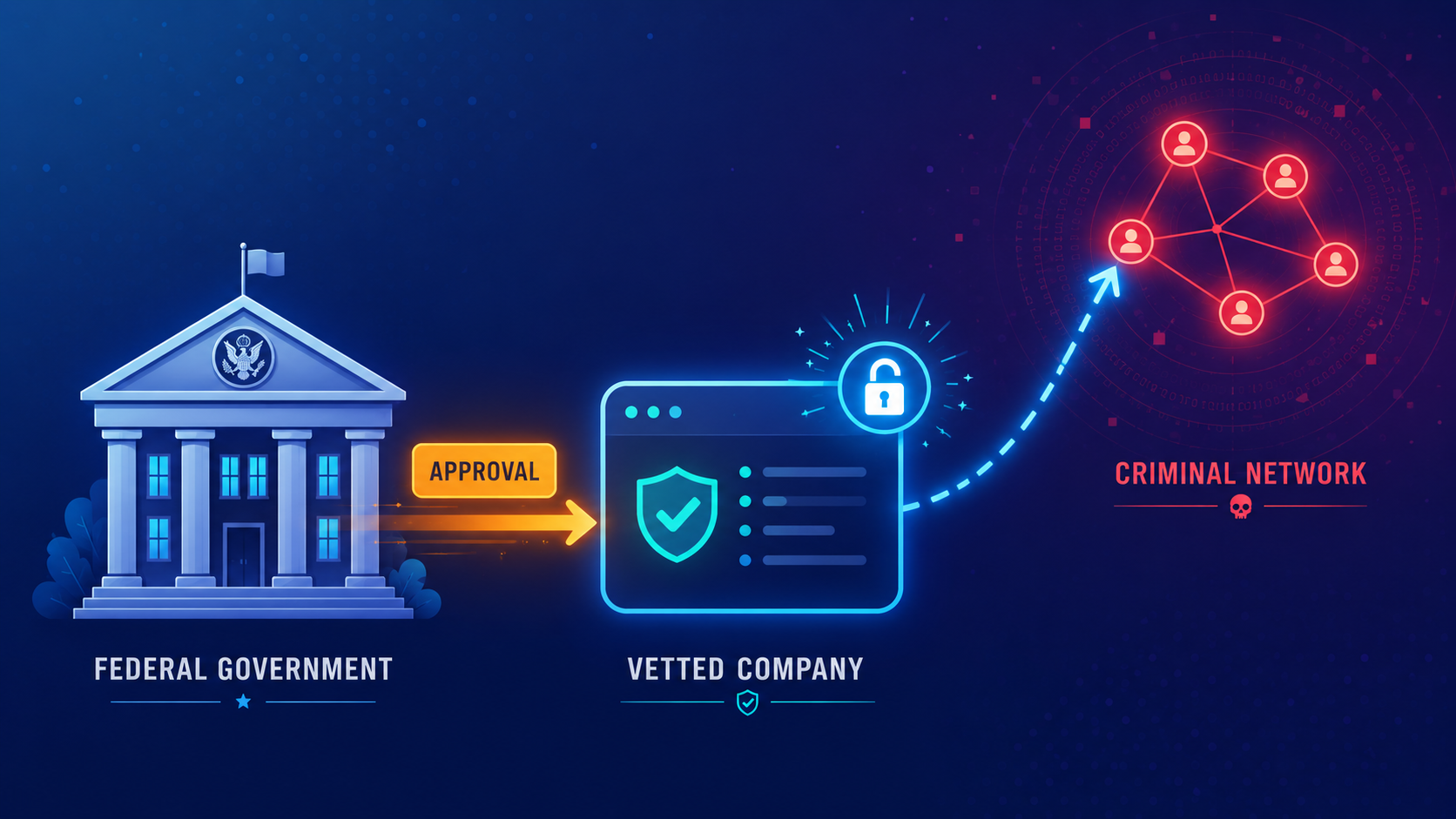
President Trump signed a National Security Presidential Memorandum establishing a formal framework allowing vetted private corporations to conduct offensive cyber operations targeting foreign criminal syndicates. These authorized activities encompass surveillance, disruption, and the potential destruction of infrastructure. The authorization is specifically directed at criminal networks, ransomware groups, and scam enterprises operating from jurisdictions without extradition agreements, rather than direct nation-state entities.
Jutsu.ai Blogs emphasizes that the policy does not grant blanket authority to IT personnel. Companies must undergo rigorous vetting in advance and obtain written pre-approval from federal authorities under Department of Justice (DOJ) and Department of Homeland Security (DHS) oversight for each individual target. Executing unauthorized offensive actions outside these boundaries continues to trigger prosecution under the Computer Fraud and Abuse Act. The arrangement functions effectively as a system of deputized contractors operating under strict federal management for designated targets.
Why now
Jutsu.ai Blogs highlights two primary drivers behind the policy move.
The first factor involves significant financial losses, with American consumers reportedly losing more than $12.5 billion within a single year to online fraud, scams, and ransomware schemes.
The second factor relates to operational capacity disparities. Citing statements from a former FBI director, Jutsu.ai Blogs notes that China’s state-backed hacking apparatus outnumbers the FBI’s dedicated cybersecurity personnel by a margin of 50 to 1. Deputizing qualified private enterprises that possess established offensive-grade capabilities, red-teaming skills, and threat-hunting expertise offers a method to counter this imbalance faster than developing domestic federal capacity from scratch.
Jutsu.ai Blogs also offered speculation regarding the underlying timeline, stating that while the personnel gap has expanded over several years, the current administration chose to implement offensive authorization rather than continuing traditional risk management strategies.
Why people are uneasy about it
Jutsu.ai Blogs reports that key officials and industry stakeholders have raised notable concerns regarding the framework.
Because this regulatory approach is unprecedented, uncertainties remain over how international law and foreign states will respond to private entities operating abroad under U.S. federal authorization. Additionally, potential target misidentification could escalate private technical errors into international diplomatic disputes. Furthermore, participating firms are reportedly seeking explicit clarification regarding legal liabilities prior to entering formal agreements.
Where this probably goes
Jutsu.ai Blogs concludes that executive memoranda of this nature often face narrowing, legal challenges in court, or adjustments once specific liability frameworks are addressed, leaving the policy’s long-term implementation subject to ongoing developments.
Sources: The White House, CNN Politics, The Record, Bloomberg, Tech Times
Originally published by Jutsu.ai Blogs.