On Monday, the United States Department of Justice announced that it is seizing and pursuing the forfeiture of $61 million worth of digital assets, which prosecutors claim originate from the black-market distribution of embargoed Iranian crude oil.
According to the court documents, that figure represents only a portion of the scheme outlined by investigators, as a group of self-hosted wallets collected and disbursed upwards of $1.5 billion in petroleum proceeds, transferring capital toward entities connected to the Islamic Revolutionary Guard Corps, alternative blockchain addresses, and a domestic Iranian exchange. The legal filing states that two China-headquartered corporations, Blessed Trust and Hexa Whale, utilized trading accounts on Binance to sanitize the funds and channel them onward to the Tehran administration and its associated affiliates.
This action follows recent American efforts to restrict the Iranian state’s utilization of prominent digital currencies; back in July, Washington stated it had frozen crypto assets tied to the Iranian administration, predominantly consisting of Tether’s stablecoin. Meanwhile, Iran launched a bitcoin-backed insurance platform for national shipping fleets earlier in the year.
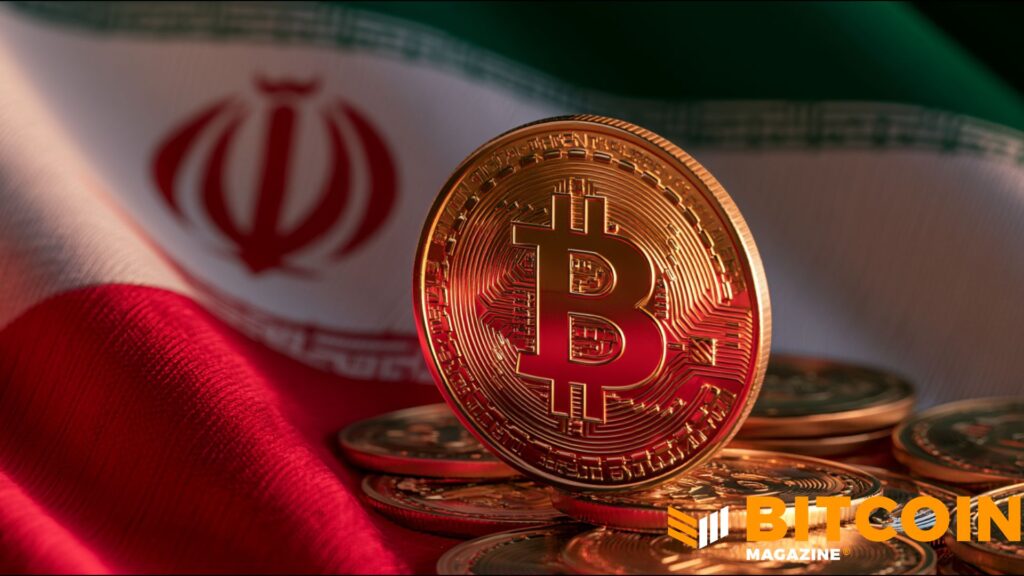
Although Monday’s legal complaint did not mention bitcoin explicitly, the Iranian government is also leveraging bitcoin to bypass international penalties. Because bitcoin possesses no central issuer, it lacks a native blacklist mechanism, meaning that self-custodied holdings kept away from intermediaries cannot be frozen.
“The Government of Iran relies on black-market sales of sanctioned crude oil to fund its military and foster terrorism in the Middle East and around the world, along with other malign efforts to development a nuclear program and ballistic missiles capable of delivering nuclear payloads,” Deputy U.S. Attorney Sean S. Buckley noted in an official statement.
“As alleged in the complaint filed today, the Government of Iran used a network of cryptocurrency actors in China and elsewhere to launder more than $1.5 billion in illicit oil money intended to benefit the Iranian military and the terror-designated IRGC.”
The paperwork claims that the illegal petroleum earnings were cleaned through Chinese entities Blessed Trust Limited and Hexa Whale Trading Limited.
Federal authorities indicated that once the capital was successfully laundered, it was redirected back to the Iranian administration, its operatives, and various proxies.
Back in July, the U.S. Treasury Department’s Office of Foreign Assets Control stated that Iran had been evading trade restrictions by accepting payments in bitcoin from vessels navigating the Strait of Hormuz.
At that time, OFAC noted that Hormuz Safe, an initiative established by the Iranian Ministry of Economy, “accepts payment in bitcoin and other digital assets” in order to circumvent sanctions.
Additionally, the Financial Times reported last week that the Middle Eastern nation was utilizing bitcoin for cross-border settlements via local crypto exchanges after the central bank urged citizens to take any necessary measures to support the domestic economy.
Originally published at https://bitcoinmagazine.com/news/iran-oil-was-laundered-on-binance.