Barely a day after the crypto sector’s market structure legislation collapsed, the tax-writing committee in the U.S. House of Representatives moved forward with another critical industry initiative designed to clarify cryptocurrency tax rules and reduce friction for everyday purchases.
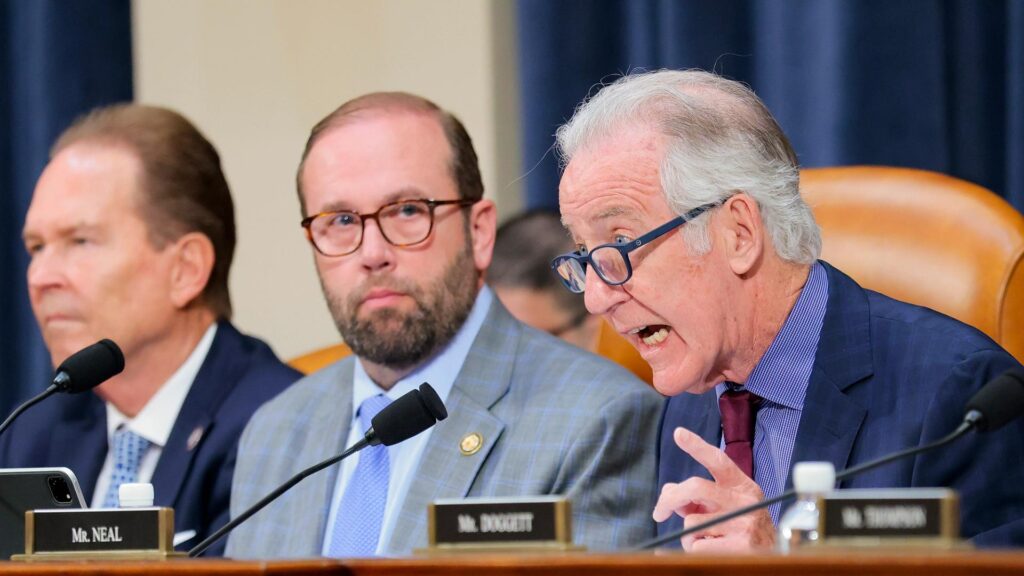
During a Wednesday hearing known as a markup—where a committee reviews a bill, debates modifications, and decides whether to send it to the broader chamber—the panel voted 38 to 5 to approve the measure and advance it to the full House, demonstrating strong bipartisan backing.
The Digital Asset Tax Certainty Act, introduced earlier in the week by the House Ways and Means Committee, addresses long-standing questions regarding “de minimis” transactions, or minor everyday payments that currently complicate tax reporting. The proposed legislation also covers how digital asset income is categorized for tax purposes, transfers, wash sale provisions, mining, staking, and broker obligations, ultimately aiming to ensure cryptocurrencies receive treatment comparable to standard financial instruments.
This advancement occurs late in the congressional calendar, leaving lawmakers with limited time for further action unless it gains traction during the brief window of approximately five weeks of scheduled legislative sessions between the November elections and the January start of the next term. Nevertheless, building initial momentum for the bill now can lay the groundwork for future legislative initiatives with similar goals.
Aside from the industry’s primary objective of enacting a market structure bill, which suffered a defeat in a Senate vote on Tuesday, establishing clear tax legislation for crypto remains a top priority.
The small-transaction exemption is fixed at $10 in this proposal, which is lower than thresholds seen in earlier legislative attempts, yet is viewed as essential for making digital currencies functional for routine payments. Committee Chairman Jason Smith pointed out that without this provision, purchasing a cup of coffee creates “an absurd maze of compliance.”
“We are establishing basic tax rules for digital assets,” stated Representative Steven Horsford, a Nevada Democrat who has championed this tax framework over the past year. “For everyday transactions, the package provides specific treatment for qualifying dollar stablecoins and small network and transaction fees.”
The legislation extends existing tax provisions applied to other financial securities to digital assets, striving for regulatory equality between emerging technology and traditional financial systems.
While the initiative enjoyed broad bipartisan support, some critics tied the sector to one of its prominent champions, President Donald Trump, questioning why the digital asset industry receives attention while other taxpayer priorities are overlooked.
“This committee remains the only place in Congress that’s rushing to provide favors to this industry,” remarked Representative Lloyd Doggett, a senior Democratic committee member from Texas, referencing the Senate’s rejection of the Digital Asset Market Clarity Act.
“I’ve not had anyone come up to me and say, ‘You know what? This committee really ought to prioritize is new tax breaks and loopholes for the crypto industry,'” Doggett stated prior to the committee vote. “Once again, this committee makes very clear that while it ignores the real needs of ordinary Americans that are suffering from failed Trump policies, it eagerly responds to moneyed interests with the strongest lobbyists and the biggest political action committees.”
Originally published at https://www.coindesk.com/policy/2026/09/16/u-s-house-s-tax-committee-advances-crypto-tax-bill-in-wake-of-clarity-act-loss.