The House Ways and Means Committee voted to move forward with cryptocurrency tax legislation, forwarding it to the full House while legislative efforts for broad digital asset oversight remain deadlocked in the Senate.
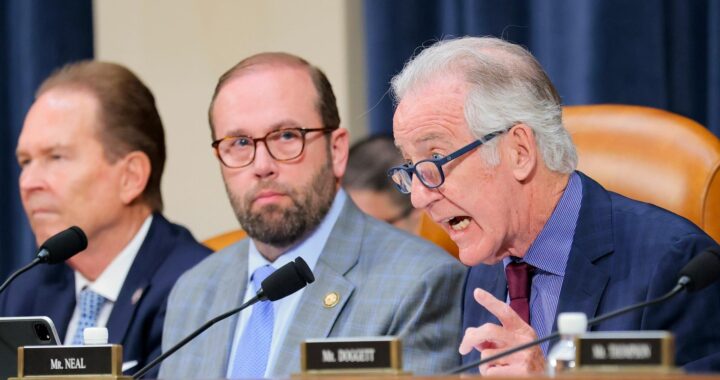
On Wednesday, the House Ways and Means Committee approved the Digital Asset Tax Certainty Act by a 38-5 margin, creating official federal tax guidelines for cryptocurrencies.
“This is a historic milestone for this Committee: after spending over a year collaborating, Republican and Democratic lawmakers have united to institute the initial tax framework for digital assets,” stated the committee’s leader, Chairman Jason Smith, R-Mo.
The legislation introduces a tax exemption threshold ensuring individuals do not owe taxes on network or transaction fees involving crypto when the fee amounts to $10 or less. Service providers executing transactions on behalf of third parties are excluded from this rule. If enacted, this specific provision will not take effect until December 2027.
Additionally, the measure mandates the Treasury Department to institute a Digital Asset Voluntary Disclosure Program within a 12-month window following enactment. Eligible taxpayers will be permitted to revise past returns and clear any outstanding tax liabilities, interest, and penalties.
The legislation, an iteration of which was published earlier in the week, also specifies that revenue generated from mining and staking will be classified as ordinary income, though it allows certain investment trusts to engage in staking without jeopardizing their tax status solely due to that practice. A prior draft included a deferral mechanism for income, but it has since been omitted, meaning the present text fails to specify the exact point of income recognition.
“This legislation lacks the comprehensive scope I would have preferred, yet I maintain that Congress must determine the moment mining and staking rewards count as income,” remarked Rep. Steven Horsford, D-Nev., a co-developer of the bill. “This package establishes standard income classification while leaving the timeline question open.”
Regarding subsequent procedures, the House is scheduled to depart Washington ahead of the November elections.
“Because the House will likely enter recess, consideration will probably shift to the lame-duck session,” noted Alison Mangiero, chief strategy officer and head of U.S. policy at the Crypto Council for Innovation. “Following today, focus will pivot toward the Senate Finance Committee, which similarly signaled an intent to progress digital asset tax legislation.”
Mangiero also highlighted areas requiring additional modifications.
“Opportunities remain to polish multiple vital clauses, such as the timing for recognizing income from staking and mining rewards, expanded de minimis exemptions for routine digital asset transfers, and supplementary technical matters to guarantee the ultimate framework is transparent, enforceable, and resilient,” Mangiero explained.
The action by the House committee transpired less than a day after the Senate attempted to advance comprehensive crypto regulation known as the Clarity Act, which stumbled during its initial procedural vote. Democratic lawmakers explained their opposition stemmed chiefly from unresolved ethical worries regarding the Clarity Act, pointing to President Donald Trump’s digital asset holdings expanding into hundreds of millions of dollars.
Trump’s crypto portfolio became a topic of discussion again during Wednesday’s House proceeding.
“This bill still delivers billions in tax relief to the cryptocurrency sector, aiding ultra-wealthy crypto investors and affluent figures like the Trump family,” asserted Rep. Lloyd Doggett, D-Texas.
Originally published at https://www.theblock.co/news/regulation/2026-09-16-house-panel-approves-first-federal-crypto-tax-framework-one-day-after-senates-clarity-act-stumbles-415293.