Researchers and brokerage experts at Bernstein stated in a Wednesday client advisory that the Senate’s inability to move the Clarity Act forward delegates the upcoming phase of American cryptocurrency regulation to the Securities and Exchange Commission alongside the Commodity Futures Trading Commission.
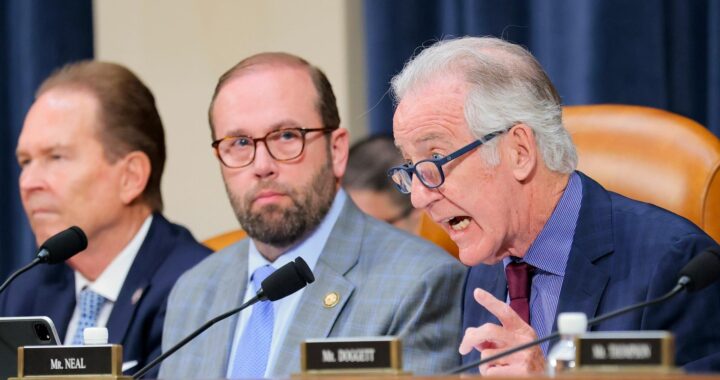
The procedural vote on Tuesday fell short at 49-50, with 49 lawmakers voting in favor of moving the bill forward, which was 11 votes shy of the required 60. Discussions stalled due to ethical disagreements regarding President Donald Trump’s cryptocurrency holdings.
The Bernstein research team, headed by Gautam Chhugani, mentioned they anticipate the SEC and CFTC to favor targeted regulatory guidelines, noting their prediction that the procedure will be rapid and forceful to compensate for the time spent on statutory negotiations.
The analysts foresee both the SEC and CFTC addressing matters such as the categorization of native digital assets, safeguards for decentralized finance and self-custody frameworks, alongside regulations overseeing share tokenization. They likewise anticipate potential for more rapid greenlights regarding real-world asset perpetual futures, together with joint efforts by the two bodies concerning single-stock perpetual contracts.
Bernstein likewise drew attention to federal sports betting contracts, indicating an expectation that policies will be modified regarding their designation as swap agreements.
What’s next?
The unsuccessful legislative effort leaves the current stablecoin yield structure intact, according to Bernstein, which observed that the proposed compromise language would have banned payouts on unutilized stablecoin funds and linked them strictly to user transactions. Exchanges such as Coinbase maintain the ability to provide returns on dormant funds given the absence of the legislation.
The researchers noted that stablecoins will remain secure because they fall under the governance of the GENIUS framework.
In a separate note, StoneX Financial researchers directed by Mark Palmer indicated that the legislation is inactive for the current legislative session, pointing out there are only 14 active days remaining in the Senate ahead of the election period. They referenced Senator Cynthia Lummis’s remark that the next viable opportunity to pass the Clarity Act might not arrive until 2030, while betting odds on Polymarket regarding the bill passing in 2026 dropped from 82% in February down to 16% ahead of the ballot.
StoneX additionally emphasized the consequences for stablecoin rewards. The specialists observed that the OCC and FDIC have drafted guidelines that might assume an issuer breaches the yield prohibition outlined in the GENIUS Act if payments are made to a related entity that subsequently distributes incentives to stablecoin owners. They mentioned the matter could eventually reach the judicial system once the GENIUS legislation becomes operational in January 2027.
Originally published at https://www.theblock.co/news/regulation/2026-09-16-bernstein-says-clarity-act-failure-allows-stablecoin-rewards-on-idle-balances-to-continue-expects-swift-sec-and-cftc-rulemaking-415263.