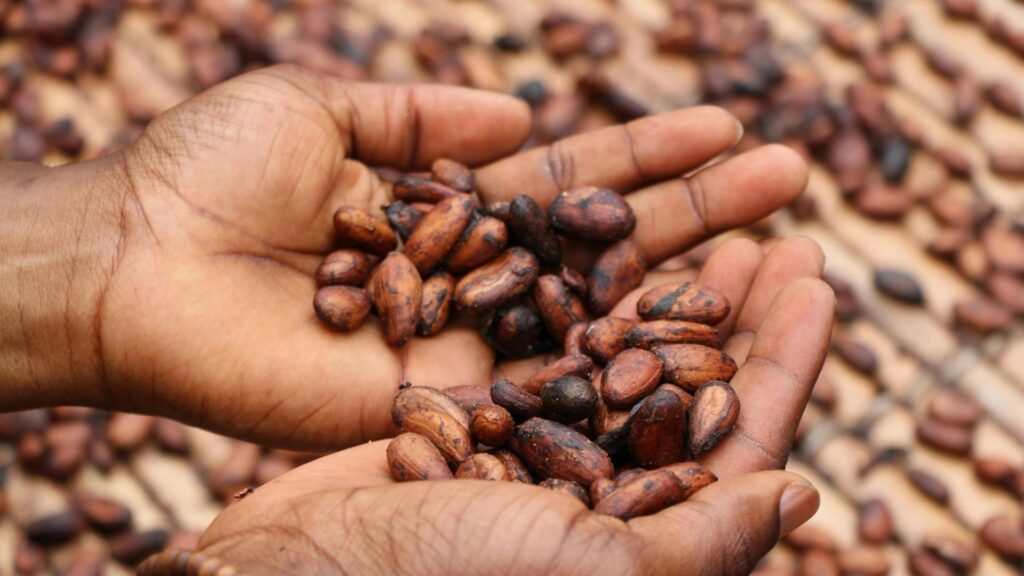
PwC Germany, Merck KGaA, and The Hashgraph Group announced they are trialing a cocoa tracking solution just ahead of upcoming European Union regulations regarding deforestation control, setting the stage for a broader traceability framework.
The platform merges physical indicators on sacks of cocoa with data stored on the Hedera distributed ledger. According to the companies, this approach assists with batch verification, satisfies EU mandates, and facilitates peer-to-peer payments for cultivators.
Cocoa was chosen because its supply chain is among the most disorganized in agriculture, with information isolated in disparate silos and extensive blending occurring at the initial stage. Over 2 million African farms sell cocoa through multiple tiers of intermediaries. By the time the product arrives on retail shelves, identifying its exact origin is nearly impossible, providing fertile ground for child labor, deforestation, and illicit trade.
“While cocoa serves as the pilot scenario, the framework is built for wider application in industries where traceability, authenticity, quality, and regulatory adherence are vital, including foodstuffs, pharmaceuticals, luxury products, electronics, and industrial parts,” the three corporations stated in an email release.
Beginning late in the year, major enterprises must comply with the EU’s deforestation compliance regulations, while smaller businesses face a later deadline. Violations carry penalties of at least 4% of a firm’s total annual turnover within the EU.
The system, created to trace shipments from plantation to manufacturing plant, combines the physical security features of chemical producer Merck with a Hedera-backed record containing origin, quality, and compliance data. The organizations note this will allow processors and authorities to audit a batch’s background before the EU deadline hits.
PwC brings a history of blockchain-based traceability initiatives. Back in 2019, the major global accounting network collaborated with Walmart and VeChain to tackle food safety hurdles in China.
“Cocoa represents one of the most intricate supply chains, featuring substantial blending straight from the agricultural source,” noted Husen Kapasi, enterprise blockchain director at PwC Germany, during a video discussion. “Uncovering the true origin during that initial phase is genuinely one of the principal hurdles.”
Every batch of cocoa receives a distinct physical tag utilizing Merck’s M-Trust system, establishing a unique fingerprint on the packaging. Breaking open the container ruins the seal and voids the authentication, making unauthorized interference immediately visible. Meanwhile, The Hashgraph Group’s TrackTrace solution logs the source, quality metrics, and regulatory data onto the Hedera network. PwC Germany engineered the enterprise workflows and operational models.
The platform also aims to resolve a persistent flaw that has hindered past distributed ledger supply chain efforts.
“When contamination arises during manufacturing, it damages producers by tens or hundreds of millions of euros,” Kapasi stated. “Currently, those details reside in completely isolated data repositories. Consolidating them means you avoid halting an entire plant during an incident. You pinpoint the exact location of the problematic batch and isolate it.”
Corporate users never interact directly with the underlying blockchain layer. Token-related operations execute seamlessly behind the scenes on Hedera, leaving clients and vendors viewing only traditional U.S. dollars or euros.
“Anything involving tokens is frequently viewed as a potential risk or compliance hurdle regarding cryptocurrencies,” observed Stefan Deiss, CEO of The Hashgraph Group. “All enterprises, clients, and partners observe conventional fiat money, sparing them from managing tokenization mechanics or crypto-related regulatory warnings.”
The initiative extends past industrial processors and European bureaucrats. The partners state their ultimate objective is integrating millions of smallholder agriculturalists into the ecosystem, connecting authenticated supply chain logs directly to digital identities and wallets.
“Through this innovation, we also enable peer-to-peer economic transfers,” Deiss explained. “A farmer situated in remote regions globally can obtain those benefits via a digital wallet linked to their digital identity, even without possessing a bank account.”
Such digital credentials tied to validated supply chain histories can assist growers in documenting their yield, quality standards, and delivery track records when applying for credit, insurance, and alternative financial services, according to the participants. The Hashgraph Group reported it is already deploying comparable architecture alongside upwards of 3 million coconut producers across the Philippines.
“This highlights its status as a genuine game-changer during food recalls or regulatory inquiries,” Kapasi concluded. “Ultimately, this framework enables businesses to transition their perspective of compliance from an expensive obligation to a catalyst for value creation.”
Originally published at https://www.coindesk.com/tech/2026/09/08/tracking-cocoa-may-be-just-the-beginning-for-pwc-merck-hashgraph-provenance-system.