A preliminary effort to advance the Clarity Act toward enactment stalled due to Democratic resistance regarding President Donald Trump’s extensive digital asset holdings.
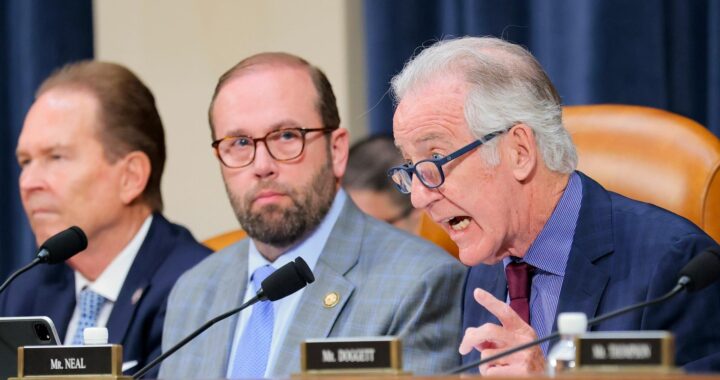
On Tuesday, the United States Senate failed to secure the necessary 60 votes required to move the legislation forward. Several undecided Democrats who might have supported the measure—including Senators Kirsten Gillibrand, Catherine Cortez Masto, Angela Alsobrooks, Cory Booker, and Mark Warner—ultimately cast negative votes.
In a public statement issued shortly after the voting concluded, Warner stated that legislation enabling the president to personally profit from the cryptocurrency sector could not be allowed to proceed.
"We got close to resolving some of the toughest outstanding issues around law enforcement and national security, but ultimately, the failure to address this fundamental conflict of interest made it impossible for me to support moving forward," Warner declared in the release. "That is why I voted no today."
Senator Cynthia Lummis, Republican from Wyoming and the primary author of the bill, had described the moment as a "now or never" scenario prior to the cloture vote, in a post on X.
The proposed legislation aims to establish the inaugural federal regulatory framework for the digital asset industry. Over the past year, however, it has faced turbulence from an ongoing dispute between traditional banking institutions and crypto companies regarding stablecoins, alongside persistent worries concerning illicit financial activities.
Prior to the vote, Senate Republicans published an updated version of the Clarity Act containing modified language addressing "non-decentralized finance protocols." Even so, it failed to resolve a central issue causing great concern among Democrats: ethics. Trump’s digital asset portfolio has expanded to hundreds of millions of dollars connected to World Liberty Financial and his TRUMP memecoin.
Republicans, spearheaded by Senator Lummis, subsequently unveiled alternative text granting state attorneys general certain enforcement flexibilities regarding ethics provisions by enabling them to file lawsuits against digital asset exchanges and the Department of Justice. The text also stipulates that government officials must divest from "significant financial interest" or place them within a blind trust. Nevertheless, Democrats argued that this mechanism lacks enforceability because the Justice Department retains ultimate authority over whether to initiate enforcement proceedings against the president.
Late Monday, Senate Democrats formulated a counterproposal seeking to amend the ethics mandates to counter Trump’s growing digital asset profits. According to reporting from Politico, this included expanding ethics limitations to cover Trump’s family members and mandating that officials holding a "very large interest in a crypto company to sell it," rather than simply utilizing a blind trust. Lummis subsequently rejected that counteroffer.
Following the rejection of Tuesday’s vote, the future trajectory of the bill remains uncertain. Time is severely limited ahead of the November midterm elections as lawmakers prepare to enter recess to prioritize campaign activities. The Senate might consider holding another procedural vote if sufficient floor time becomes available.
Should the Senate successfully pass the measure, it would then require approval from the House of Representatives, a step that cannot occur until after the November elections since the House cancelled its scheduled sessions for the final two weeks of September.
Meanwhile, the Securities and Exchange Commission and the Commodity Futures Trading Commission have commenced their own rulemaking procedures, though the Clarity Act is widely regarded as vital for establishing lasting regulatory permanence.
During an event on Monday, SEC Chair Paul Atkins urged lawmakers to pass the Clarity Act while confirming that his agency continues to progress independently.
"But let me be equally clear: with or without that legislation, this Administration will deliver for American investors and technological innovators—which is immensely important to our markets and to those who participate in them," Atkins stated during an appearance at the Solana Policy Institute event. "Promises were made, and they will be kept."
Originally published at https://www.theblock.co/news/regulation/2026-09-15-clarity-act-preliminary-vote-falls-short-in-senate-amid-ethics-fight-over-trumps-crypto-wealth-415010.