The 10-year U.S. Treasury yield advanced to 4.856% on Wednesday, reaching its peak since October 2023, even though the Treasury Department revealed plans to buy back $6 billion in long-term government debt.
This repurchase initiative, focused on Treasuries expiring in 10 to 20 years, aims to boost market liquidity and mitigate upward pressure on long-term borrowing expenses. Yet, the announcement produced an unexpected outcome as Treasury yields extended their advance, pushing the 30-year yield past 5.3% and nearing its August peak.
Elevated bond yields generally present a challenge for risk-on assets such as bitcoin. The underlying premise is straightforward: capital allocated to bitcoin forfeits the 4% to 5% returns provided by extended-duration Treasury securities.
Nevertheless, this dynamic primarily applies when economic expansion drives yields upward. At present, that condition does not hold true.
Market experts previously informed CoinDesk that bond repurchases might fail to curb rising yields, primarily because escalating federal deficits and expanded fiscal budgets—signaling additional debt issuance ahead—remain largely outside of Bessent’s direct authority. Furthermore, buybacks fail to resolve the core structural challenge: out-of-control government spending.
Borrowing costs similarly increased across global bond markets throughout Europe and Japan, as participants kept worrying about persistent inflation, elevated crude prices, and the long-term viability of sovereign debt levels.
This recent $6 billion maneuver builds on the Treasury’s initial declaration that it intended to at least double its long-dated repurchases from their usual $2 billion scale. Yields initially dropped following that disclosure before staging a sharp reversal upward.
In practice, the Treasury is buying back longer-maturity debt while maintaining short-term curve funding operations. This adjusts the maturity composition of public liabilities without decreasing total funding requirements.
This debt-market intervention followed prior joint efforts by Washington and Tokyo to strengthen the Japanese yen.
Earlier in the week, Treasury Secretary Scott Bessent warned currency speculators against fighting the intervention, stating, “I am the house now.” A stronger yen additionally benefits U.S. authorities by lessening Japan’s incentive to liquidate U.S. Treasuries to fund further exchange-rate stabilization, given that Tokyo remains the biggest international owner of American public debt.
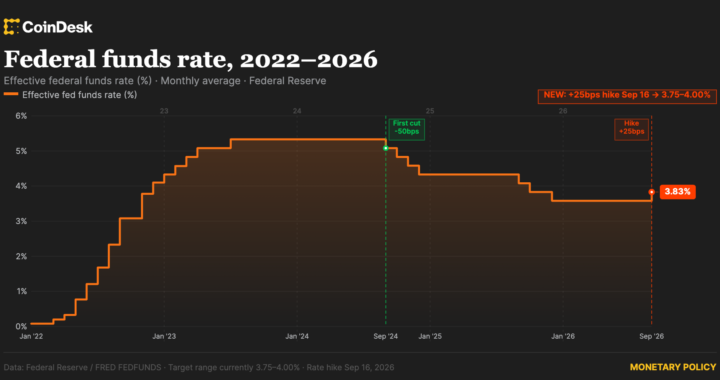
Concurrently with climbing Treasury rates, WTI crude oil advanced near $97 per barrel, touching its May high. This upward move intensified fears that climbing energy expenses could sustain high inflation figures, further complicating monetary policy tasks for the Federal Reserve.
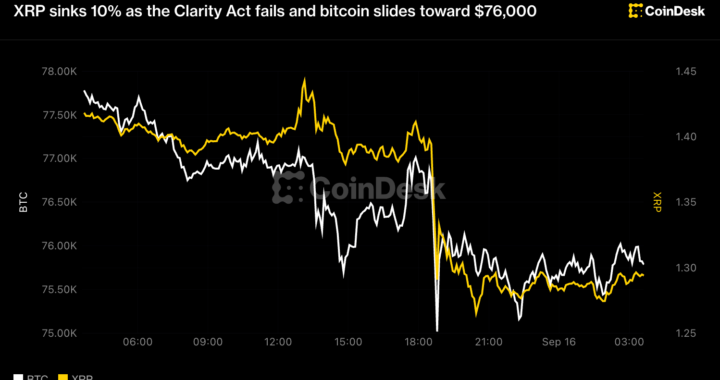
Despite the notable rebound in the yen, the U.S. Dollar Index holds close to 99, maintaining headwinds for speculative assets. Bitcoin keeps consolidating near $78,000 after rallying from roughly $63,000 in mid-August.
Originally published at https://www.coindesk.com/markets/2026/09/10/scott-bessent-doubles-down-on-bond-buybacks-as-treasury-yields-continue-to-surge.